Sumac berries grow on the Rhus Coriaria shrub, which is typically found in high plateau areas of the Mediterranean like Sicily, due to its wild, rocky lands. Sumac also grows in Turkey and can be found in parts of Iran. Once the berries are fully ripe, they are harvested, dried, and ground. The processed sumac takes on a dark red-burgundy color and the texture of ground nuts. It has a similar smell and taste to lemon but is not as sour. Sumac is widely used as an acidulant in Arabic and Lebanese cooking, and similar to salt, it brings out the natural flavors of the foods it is cooked with.
Sumac has a flavor typically likened to the tartness of lemon, though the spice has a milder fruity profile that balances acidity. Some of the trademark characteristics of sumac spice include:
A deep, purply red tone.
A coarse grind, rather than a fine powder.
A sour, acidic flavor.
The sumac plant is a wild bush that primarily grows across the Mediterranean region, stretching from Italy to Greece to Lebanon. While sumac is most commonly used in the Middle East, and can be found cultivating in places like Turkey and Iran, the sumac flower is primarily grown in temperate and subtropical areas of Africa and North America.
Given its complementary flavor, sumac can be used to enhance a wide variety of dishes. While sumac is most commonly used in Middle Eastern cooking, this versatile spice has wide-reaching culinary potential:
It is a standard ingredient in za’atar, a popular Mediterranean spice blend used to top everything from pita to lamb chops.
It is commonly dusted over a variety of dishes—such as meats, salads, breads, and desserts—as a colorful garnish, and to lend a touch of citrusy acidity.
It can be used as a substitute for lemon juice or vinegar, and has a less pungent, overpowering flavor than its acidic counterparts.
It can be used as part of a meat rub or marinade, to enhance the natural fats with its bright flavors.
Sumac is also a beneficial ingredient for those with type 2 diabetes. Studies have shown that daily intake of sumac for three months will lower the risk of cardiovascular disease among people with type 2 diabetes.
Warnings: Sumac has a good track record for safety, with no adverse reactions reported in available clinical research. That said, because sumac is related to cashews and mango, people with allergies to those foods may want to steer clear of sumac to avoid any potential allergic reactions. Because sumac may lower blood sugar, it’s also not recommended if you’re taking medications that lower blood sugar.
Dosage for Supplementation:3 grams of sumac powder can be used orally once or twice a day.
Sunnah Talbina Barley CerealHalaal Status:Halaal SuitableTalbina is a soothing broth made from ground barley that has many healing properties. It is m..
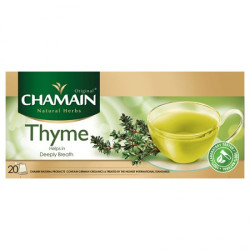
Chamain Thyme TeaBox of 20 TeabagsHalaal Status:Halaal SuitableNOTE: Though this product has passed its Best Before date, as dried natural herbs in a ..
According to Hadeeth, the Ithmid Surma clearsthe eyes and makes the eye lashes grow.Although many seem to claim to have Ithmid,the reality doesn’t act..
Natural Indian Gum Benzoin / Lobaan IncenseHalaal Status:Halaal SuitableLobaan as sold in the market is a resin of a tree, Styrax Benzoin. It is extra..
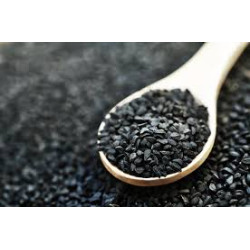
Kalonji / Blackseed, is also known as black caraway or by its scientific name Nigella sativa.Kalonji belongs to a flowering plant in the Ranunculacea ..
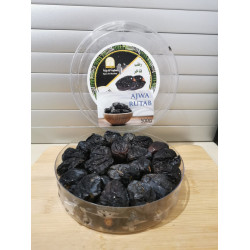
Premium Rutab Safawi al Madina DatesFrozen product, though, remains stable for several days out of the freezer. May dry slightly (weather dependent).C..
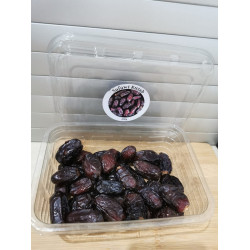
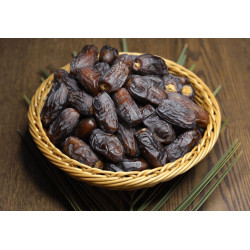
Jumbo Namibian Medjool Dates in 1kg box.Size: Medium/LargeHalal Status:Halaal SuitableMedjool dates are plump and cylindrical in shape, measuring abou..