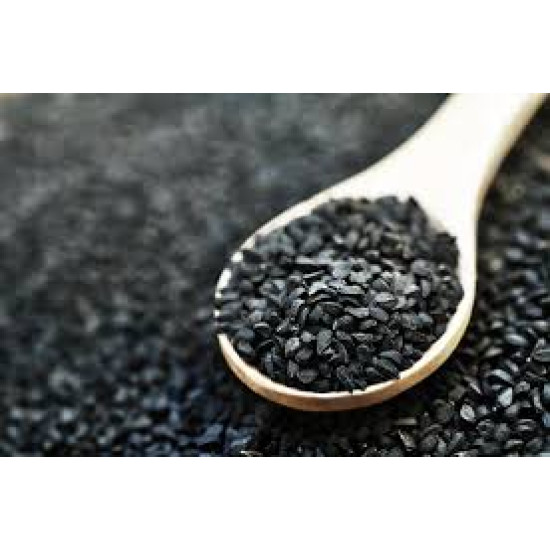
Kalonji / Blackseed, is also known as black caraway or by its scientific name Nigella sativa. Kalonji belongs to a flowering plant in the Ranunculacea family. Kalonji has been used for over three thousand years for preventing and treating many different diseases. In ancient texts and historical documents, kalonji is noted for its therapeutic attributes and ability to support the body in its own natural healing processes. Archeological studies report that kalonji seeds have been found in several sites from ancient Egypt, including in the tomb of Tutankhamun.
Benefits:
* Established in Ahadith
Abu Hurayrah (ra) narrates that the Prophet (pbuh) said: "Hold on (use this seed regularly)! Because it is a remedy (cure) for every disease except death."
* Kalonji oil has been shown to have antioxidant properties. These can help relieve inflammation inside the body and on the skin. Some test-tube studies have shown that the high antioxidant content of kalonji may help protect against disease.
* Kalonji has potent anti-oxidant properties and these are thought to be behind the cancer prevention properties demonstrated in animal studies. In vitro and animal studies also show inhibition and reduction of tumor growth in various types of cancer including blood, breast, colon, pancreatic, liver, lung, skin, kidney, prostate and cervix.
* It also shows strong antifungal activity against Candida albicans — yeast that can overgrow in the body and lead to candidiasis.
* Reducing high blood pressure: Taking kalonji extract for two months has been shown to reduce high blood pressure in people whose blood pressure is mildly elevated.
* Reducing high cholesterol: Taking kalonji oil has been shown to reduce high cholesterol.
* Improving rheumatoid arthritis symptoms: Taking oral kalonji oil may help to reduce inflammatory rheumatoid arthritis symptoms.
* Decreasing asthma symptoms: The anti-inflammatory effects of kalonji oil may extend to improving asthma symptoms. Its effect in reducing inflammation in the airways may also help with bronchitis symptoms.
* Reducing stomach upset: Eating kalonji seeds or taking kalonji oil is associated with relieving stomach pain and cramps. The oil can help to reduce gas, stomach bloating, and the incidence of ulcers as well.
* Both test-tube and human studies have found that kalonji may be effective against several types of bacterial infections.
* Infections. Kalonji is a potent antimicrobial with the ability to fight bacteria, parasites, fungi and even viruses.
* Neurological Conditions. Kalonji has been shown in in vitro and animal studies to be protective of neurological diseases such as Alzheimer’s disease, depression, epilepsy, Parkinson’s disease, and traumatic brain injury.
Warnings: Applying kalonji may cause contact dermatitis in some people. Test-tube and animal studies have shown that it may also influence blood clotting and possibly slow down uterine contractions during pregnancy.
Dosages: In human clinical trials, dosages of 1-3 grams of black cumin seed powder has been used (orally) for up to 12 months. 2 months is recommended before checking on changes to cholesterol or blood glucose management. Black cumin seed oil is used orally at doses up to 5 mL or 40 mg per kg for up to 8 weeks for therapeutic effects. Topical use, for example for knee osteoarthritis, has included 1 mL applied locally three times per day.
Our Multifloral Honey is gathered from native plants and wild flowers in the KZN Midlands. The blend produces a stunning rich and floral flavoured hon..
Sunnah Talbina Barley CerealHalaal Status:Halaal SuitableTalbina is a soothing broth made from ground barley that has many healing properties. It is m..
Designer Fragrances – Freshen Up Your SpaceChoose from 8 Exciting Scents!Halaal Status:Suitable for external useDesigner Fragrances Car Fresheners are..