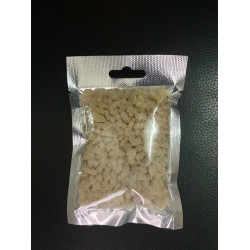
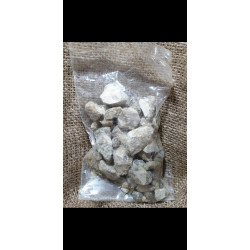
This particular type of frankincense grows in Somalia. Boswellia carterii is considered one of the top-quality types of frankincense on the market today. Sometimes Boswellia Carterii gets confused with Boswellia Sacra, but a 2012 study illuminated that boswellia sacra and boswellia carterii are two distinct species.
Frankincense, often referred to as “liquid gold,” has been cherished for thousands of years for its distinctive aroma, spiritual significance, and therapeutic benefits. Derived from the resin of trees in the genus Boswellia, frankincense holds a revered place in religious rituals, traditional medicine, and modern aromatherapy. This aromatic resin is not only valued for its fragrance but also for its unique chemical composition that varies depending on the species and region of growth.
What is Frankincense?
Frankincense is a natural resin obtained by making incisions in the bark of Boswellia trees, primarily found in parts of Africa and the Arabian Peninsula. When exposed to air, this sap hardens into fragrant tears or chunks that can be burned as incense or distilled into essential oil.
There are several species of Boswellia that produce frankincense, each with distinct smells, flavors, and therapeutic properties. The primary types include Boswellia sacra, Boswellia carterii, Boswellia serrata, Boswellia frereana, and Boswellia papyrifera. These varieties differ not only in their chemical profiles but also in their geographical origins and traditional uses.
Benefits: Strongly encouraged in Ahadith.Hazrat Abdullah Bin Jafar رضي الله عنه narrates that Nabiﷺ said “Fumigate your houses with Loban (اللبان) & Al-Sheeh” (الشيح) (cress).[Shoabul Imaan: 5679]
Natural Indian Gum Benzoin / Lobaan IncenseHalaal Status:Halaal SuitableLobaan as sold in the market is a resin of a tree, Styrax Benzoin. It is extra..
Natural Indian Gum Benzoin / Lobaan IncenseHalaal Status:Halaal SuitableLobaan as sold in the market is a resin of a tree, Styrax Benzoin. It is extra..
Natural Indian Gum Benzoin / Lobaan IncenseHalaal Status:Halaal SuitableLobaan as sold in the market is a resin of a tree, Styrax Benzoin. It is extra..
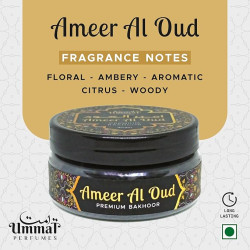
Premium Bakhoor: Enjoy the rich, aromatic fragrances of Purple Oud.Authentic Ingredients: Crafted using traditional methods and high-quality ingredien..
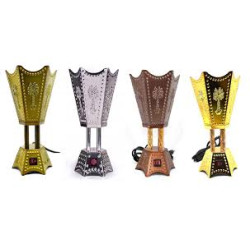
Fragrance Incense Burners Also known as Bakhoor/Oudh burner, this electric Incense Burner is traditionally used for burning bukhoor or wood chips. Its..
Premium Rutab Safawi al Madina DatesFrozen product, though, remains stable for several days out of the freezer. May dry slightly (weather dependent).C..
Jumbo Namibian Medjool Dates in 1kg box.Size: Medium/LargeHalal Status:Halaal SuitableMedjool dates are plump and cylindrical in shape, measuring abou..